Villa Barberino in Meleto is a fortification of very ancient origins since at the beginning, we are in the sixth or seventh century AD, it was most probably a Lombard guardhouse.
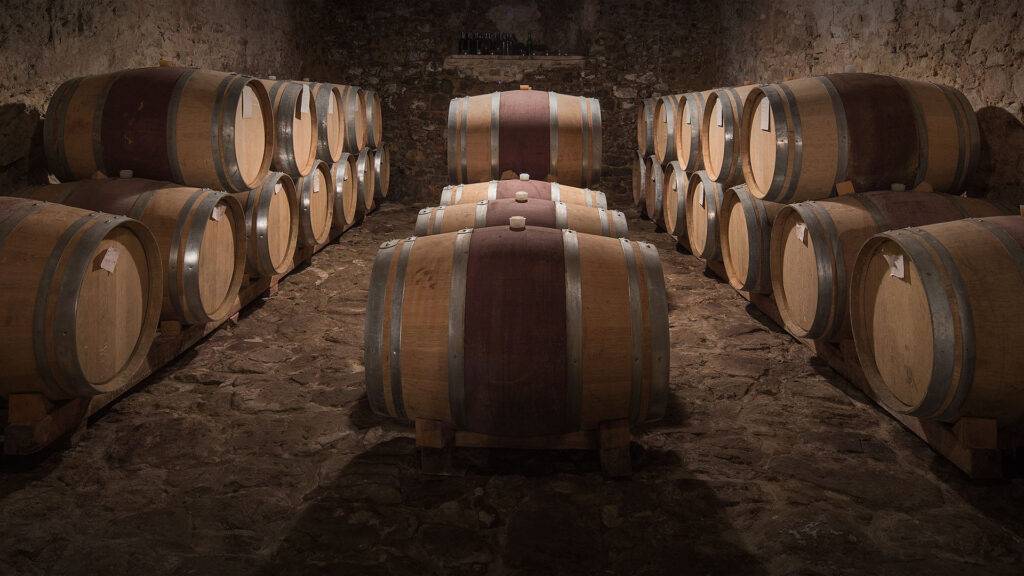
Not much is left of the walls or traces of that era today, but it seems certain that what is now the cellar of the villa refers to that period.
Dug into the rock and buried underground, the cellar is made up of three large rooms and a long brick corridor that unites all the interiors.
The Da Meleto family had remained in possession of the estate until 1590, after which it had passed to the Florentine families of the Capponi (16th and 17th centuries) and then to the Alamanni who in the 18th century, following the principles of the agrarian reforms of duke Pietro Leopoldo, enriched the complex with a mill and new farmhouses, giving life to the flourishing farm whose nucleus was represented by Villa Barberino.
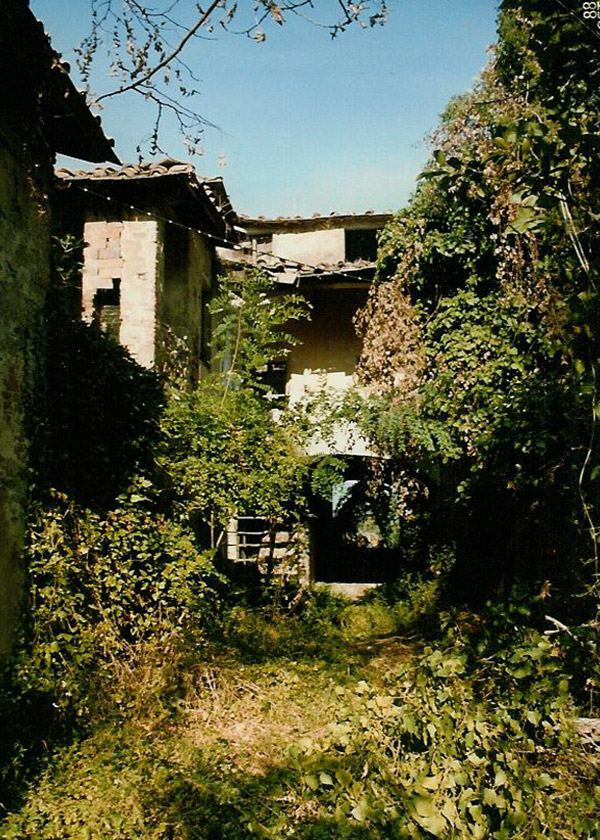
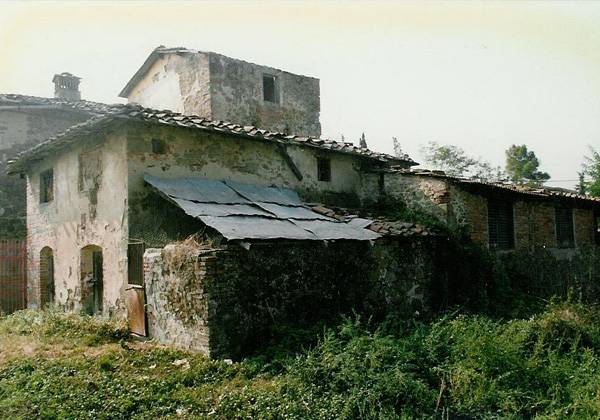
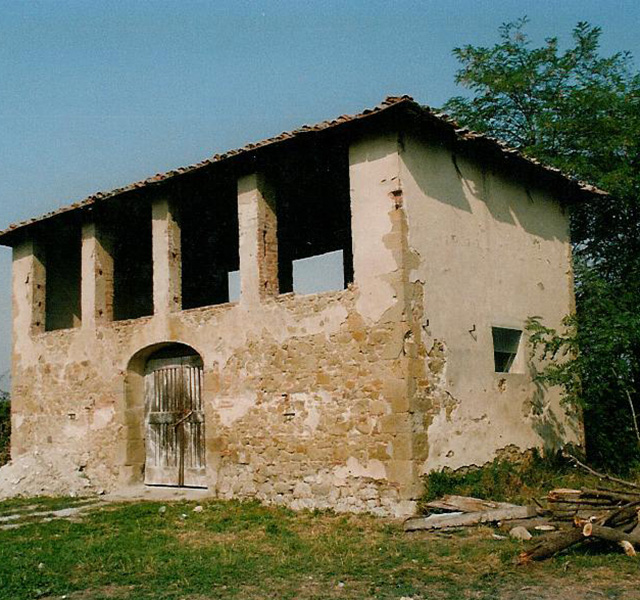
After a period of decline that lasted until the last decades of the 20th century, the current ownership has renovated and revitalised the entire structure with remarkable artistic and naturalistic results, making it a popular place for holidays and relaxation as well as excellent cuisine.
The ‘lord’s house’ that was established in the first centuries after the year 1000 is located on a ridge jutting out over the Valdarno and therefore easily defensible.
The plane was once called Pian d’Avane. Due to the strategic importance it held between the 13th and 14th centuries, the castle of Barberino (from the Greek toponym “impervious, barbaric place”) was linked to the history of the Florentine republic, at war with nearby Arezzo.
From 1340 Meleto was the capital of the Avane League, a federation of municipalities in the Florentine countryside, which had its headquarters in the castle of Barberino, “habitation and residence of the notary and officials of said league” (from the Avane statute, 1412) .
The oldest owner had been Guido da Meleto, who lived in Dante’s time in Florence, in the Santo Spirito district.
Sacrifices upon sacrifices have changed the fate of that abandoned place.
Experiences
Visit the Museum
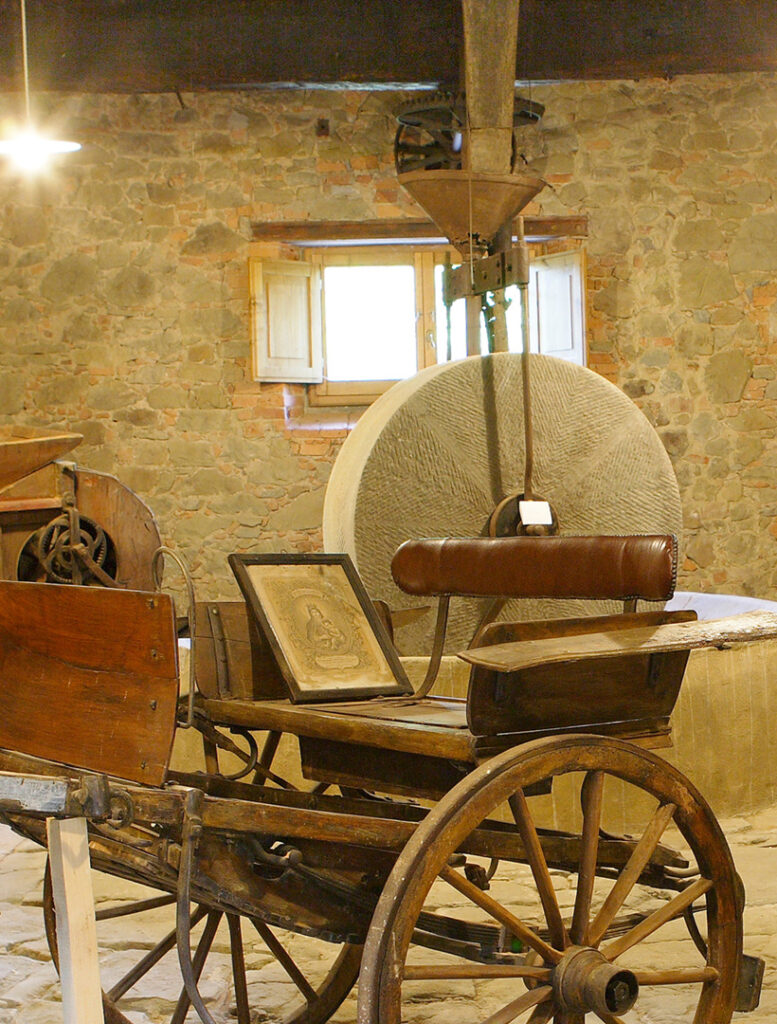
The museum in the Villa houses tools and tools that tell the story of rural life in the Tuscan countryside.